 CONCEPT VISUALIZATION
01 / POSITION
FIND THE CONTACT POINT.
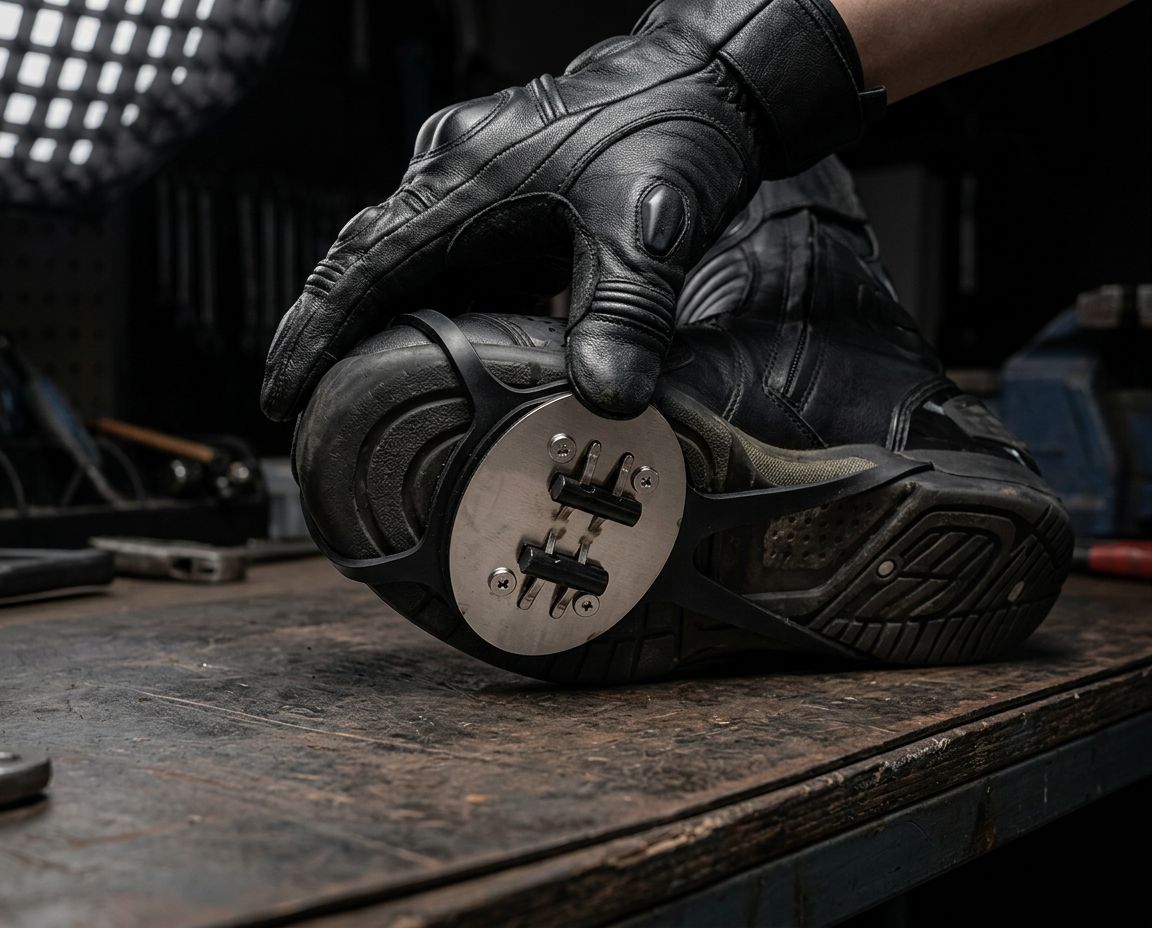
Position Foot Spark securely on suitable footwear so the spark element sits at the intended ground-contact point.
Fit can vary by footwear.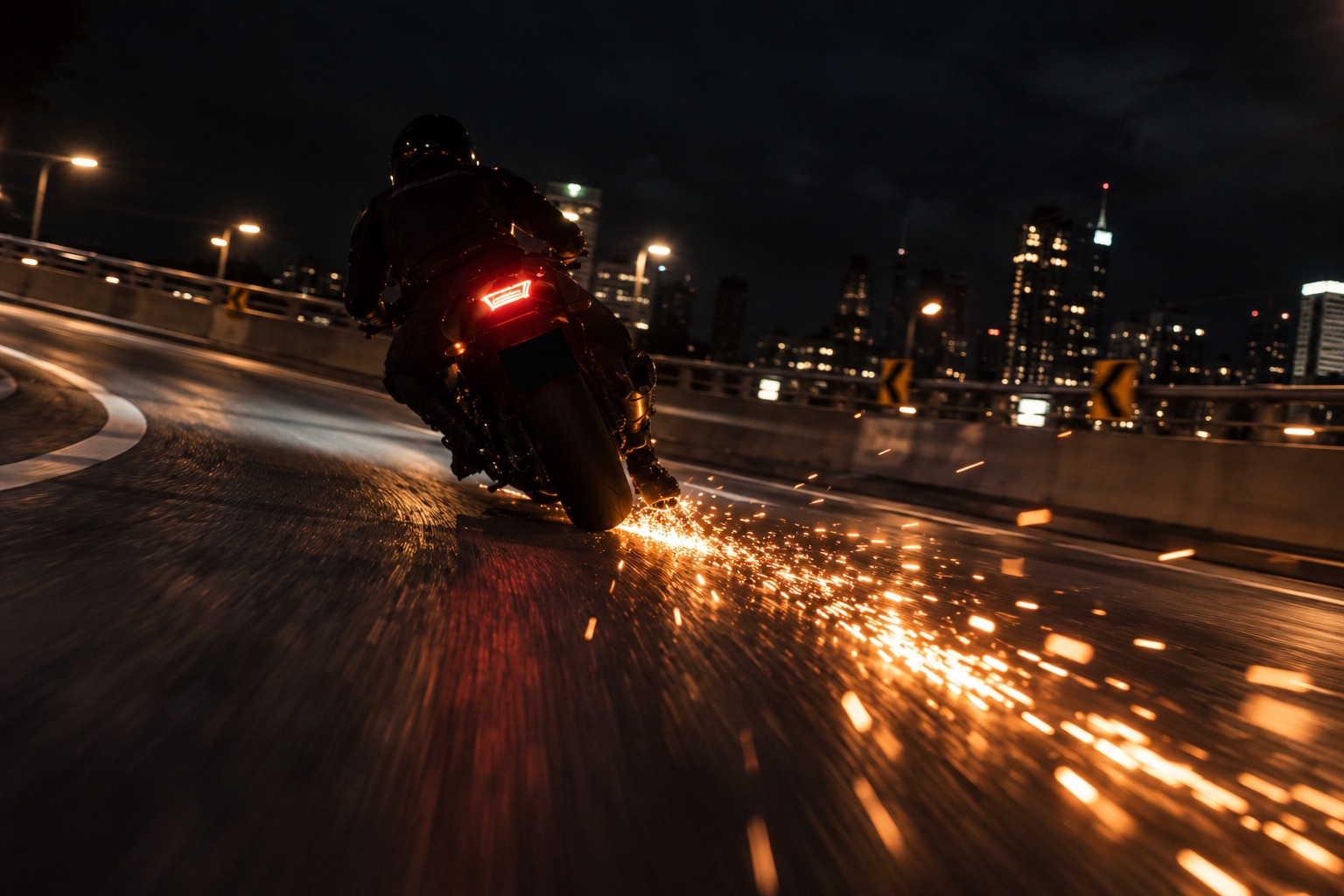
Foot Spark mounts beneath your footwear, positioning the replaceable spark element where it can meet the surface. When the element contacts a suitable rough surface, friction produces the visible spark effect.
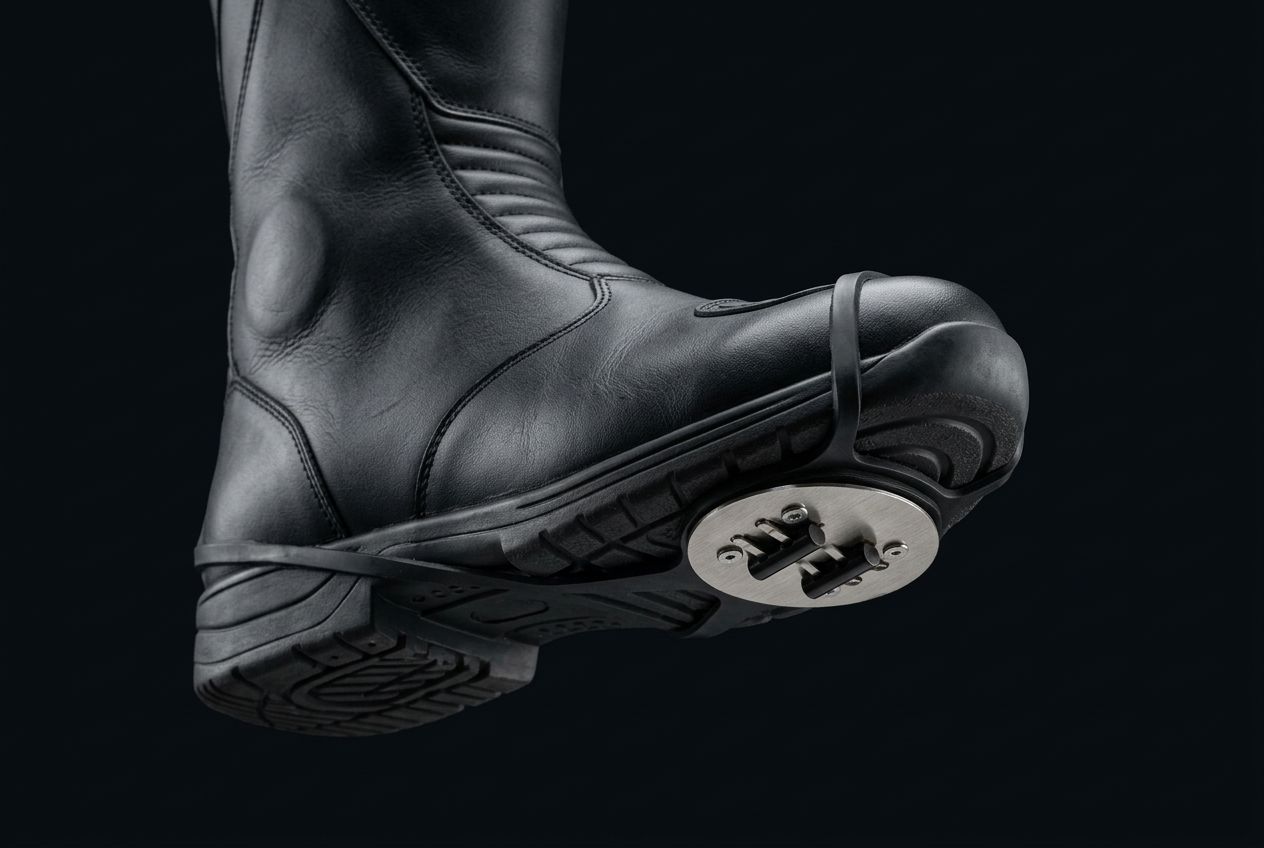 SECURE MOUNTSPARK ELEMENTCONTACT POINTCONCEPT VISUALIZATION
Designed around one simple idea — put the spark where the road meets the rider.
 CONCEPT VISUALIZATION
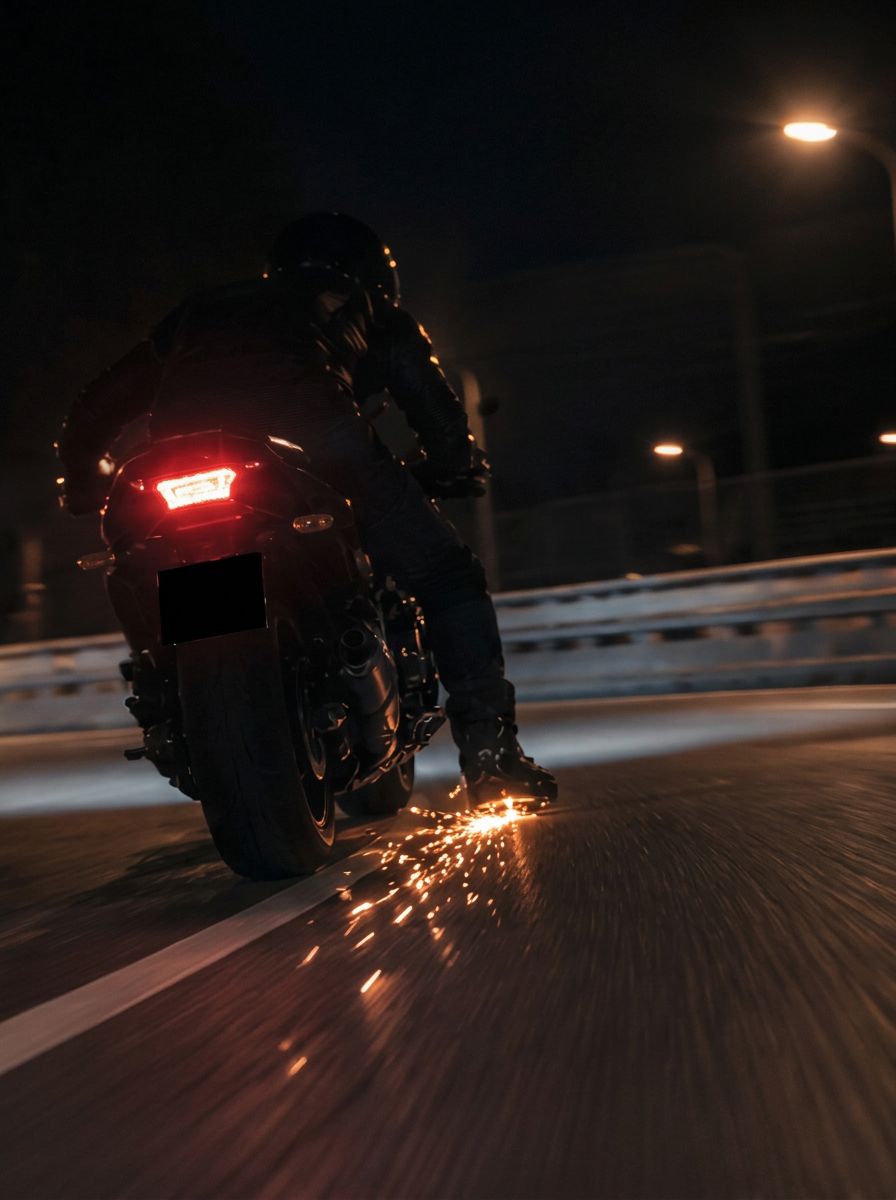
As the spark element meets the surface, friction creates the effect.
Surface texture, contact angle, pressure, lighting and element wear can all affect the result.
Three steps. No complicated setup.
CONCEPT VISUALIZATIONPosition Foot Spark securely on suitable footwear so the spark element sits at the intended ground-contact point.
Fit can vary by footwear.CONCEPT VISUALIZATIONSecure the attachment and check that it sits firmly before use.
CONCEPT VISUALIZATIONIn an appropriate controlled and permitted environment, bring the spark element into contact with a suitable rough surface to create the effect.
CONTACT → FRICTION → SPARK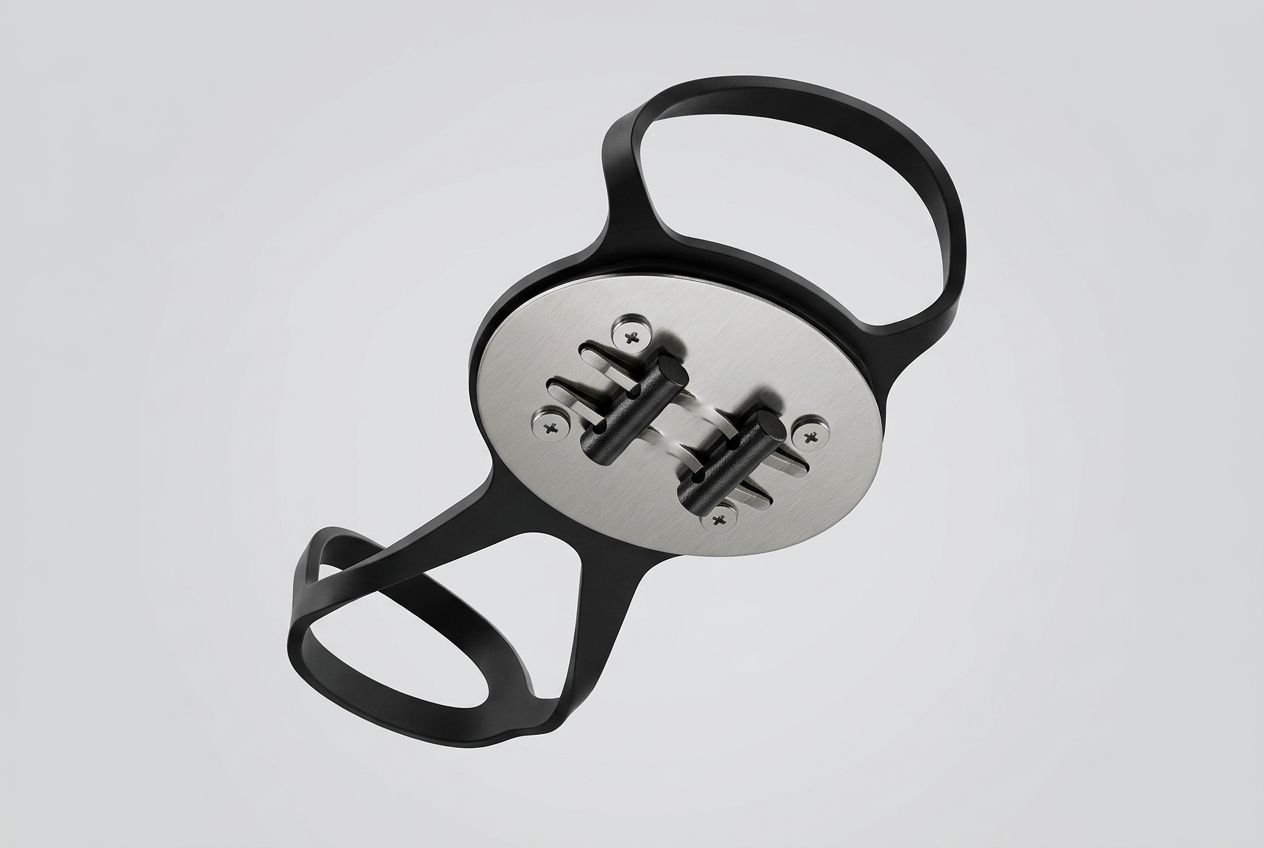 MOUNTCONTACT PLATESPARK ELEMENTSECURE POINTCONCEPT VISUALIZATION
Foot Spark keeps the spark-producing component positioned beneath the footwear while maintaining a compact profile.
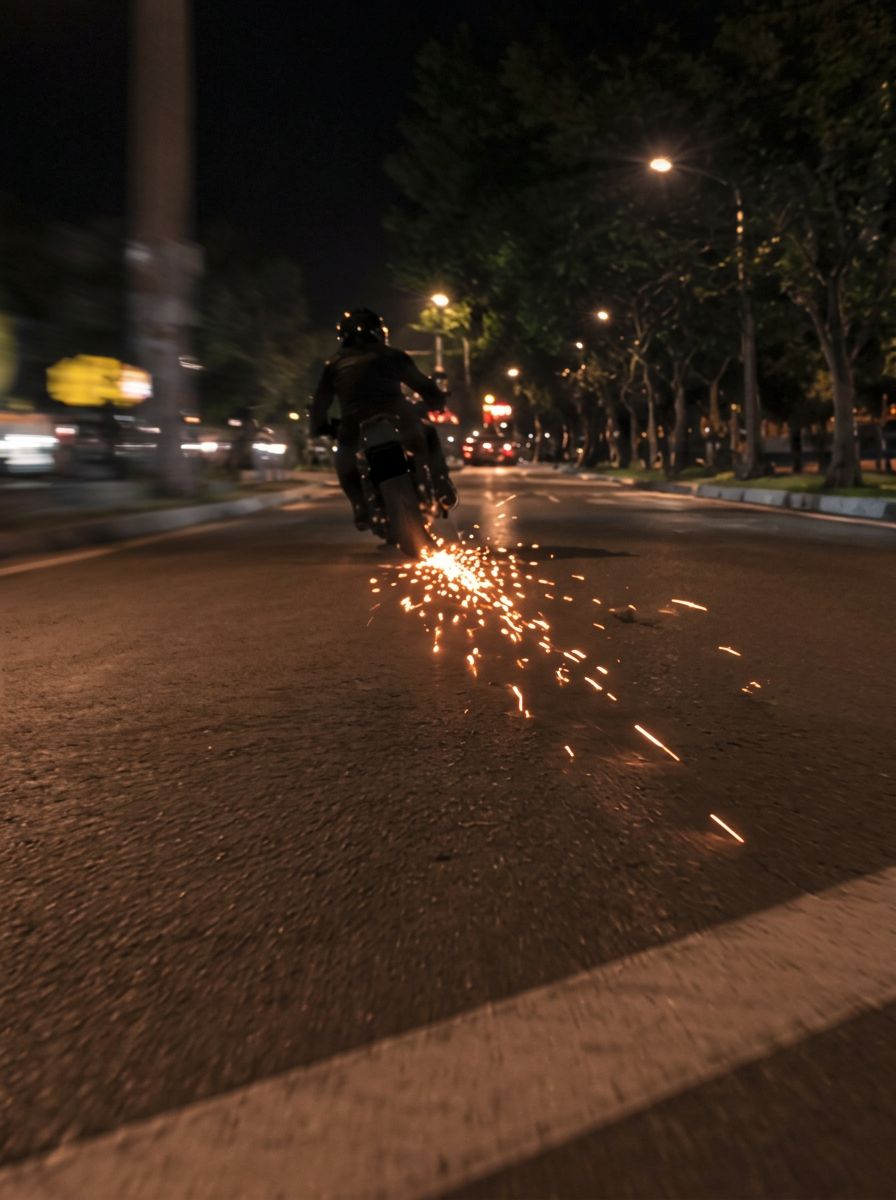 CONCEPT VISUALIZATION
The spark element is the part designed to make contact with the surface. As it wears through use, inspect it regularly and replace it when required.
Lifespan varies depending on surface, pressure, contact time and riding conditions.
Rougher suitable surfaces can change the amount of friction generated.
Contact angle changes how the element meets the surface.
Different levels of contact can affect spark intensity.
Sparks appear dramatically brighter in darker environments.
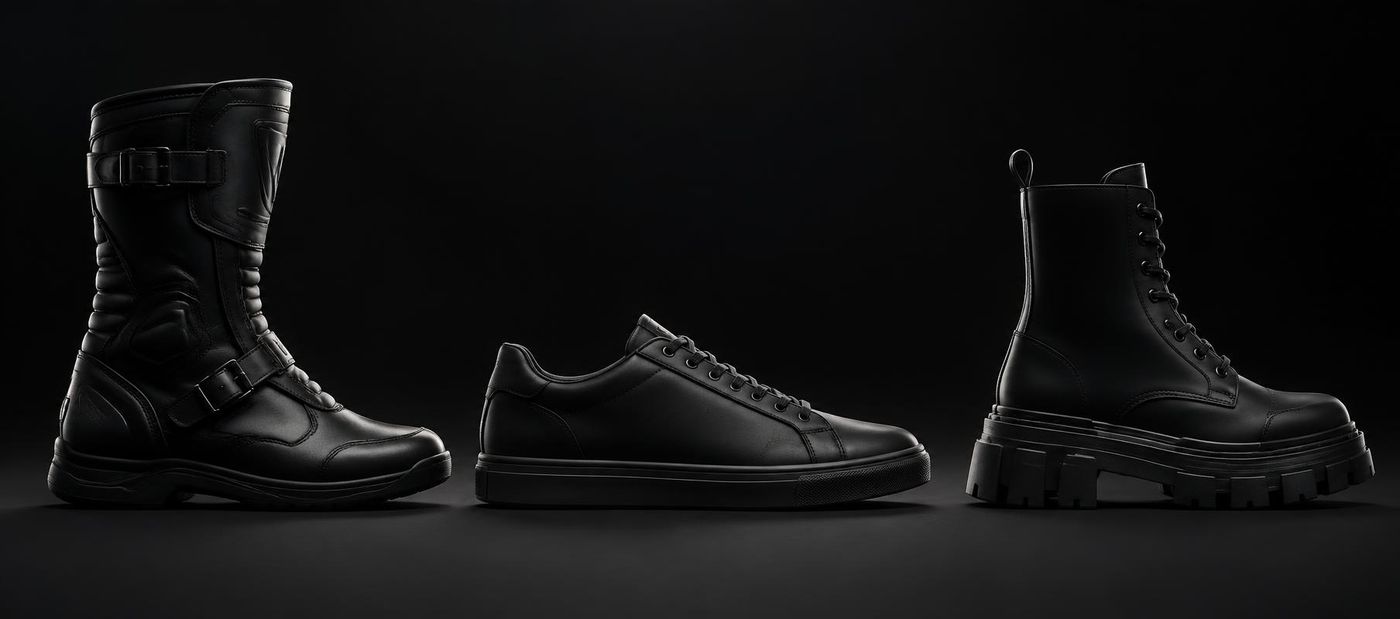
Footwear varies in shape, sole profile and construction. A secure mounting surface and correct positioning are essential.
Foot Spark creates real sparks and should only be used in controlled, legal and permitted environments.
Keep away from fuel, dry vegetation and other flammable materials.
Wear appropriate riding/protective equipment.
Inspect the attachment, fit and spark element before every use.
Follow applicable local laws, restrictions and fire regulations.
Never use where sparks could create a fire hazard.